Sorry, your browser doesn't support Java(tm).
   
  "Learning from disaster response is important. But even more important is the question, who is learning? Otherwise organisations may end up heavily investing in increasing learning across the humanitarian sector workers at the cost of facilitating learning by and with victim communities." - Mihir R. Bhatt ||||| "AIDMI's LR creates awareness among the community at the grassroots level about various disasters, its impacts and steps to be taken to prevent such disasters in future." - Aparna Shah ||||| "AIDMI's disaster awareness and preparedness activities are useful to face any disaster and to reduce negative impact of it." - Kalpesh Prajapati ||||| "We should be financially self-reliant in order to execute activities without excessive dependence on others." - LR team, AIDMI ||||| "Victim populations learn so well, so much, and with such modesty. They do not need incentives or special facilities for learning, they learn from living." - Mehul Pandya ||||| "AIDMI is a learning organisation, and profoundly self-critical. Significant achievements are described only as 'learning points' and magnificent successes become a source of self-doubt." - Tony Vaux, Humanitarian Initiative, UK |||||  
   

Learning Resources
Knowledge for Reducing Risks in India.


Publications:

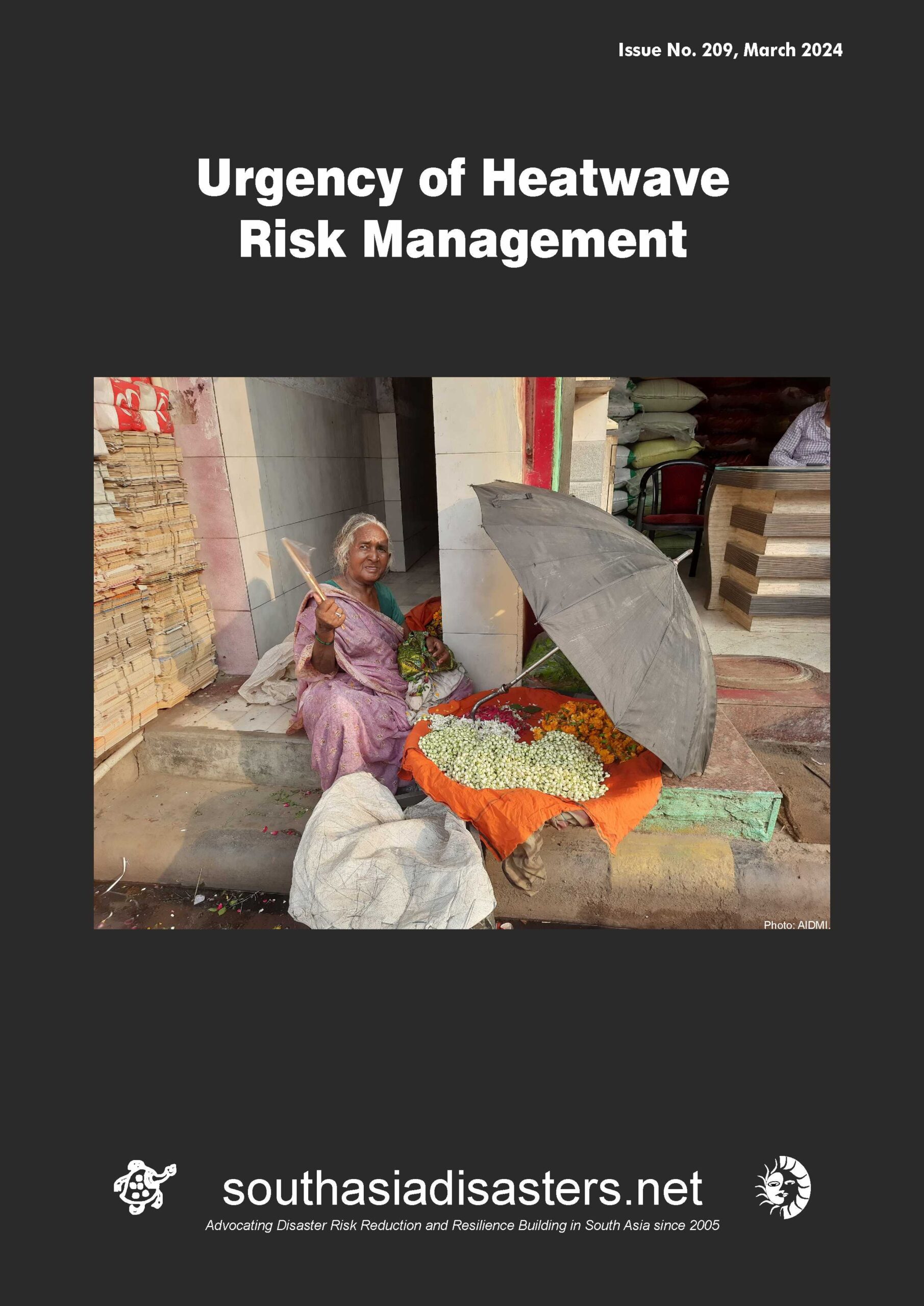
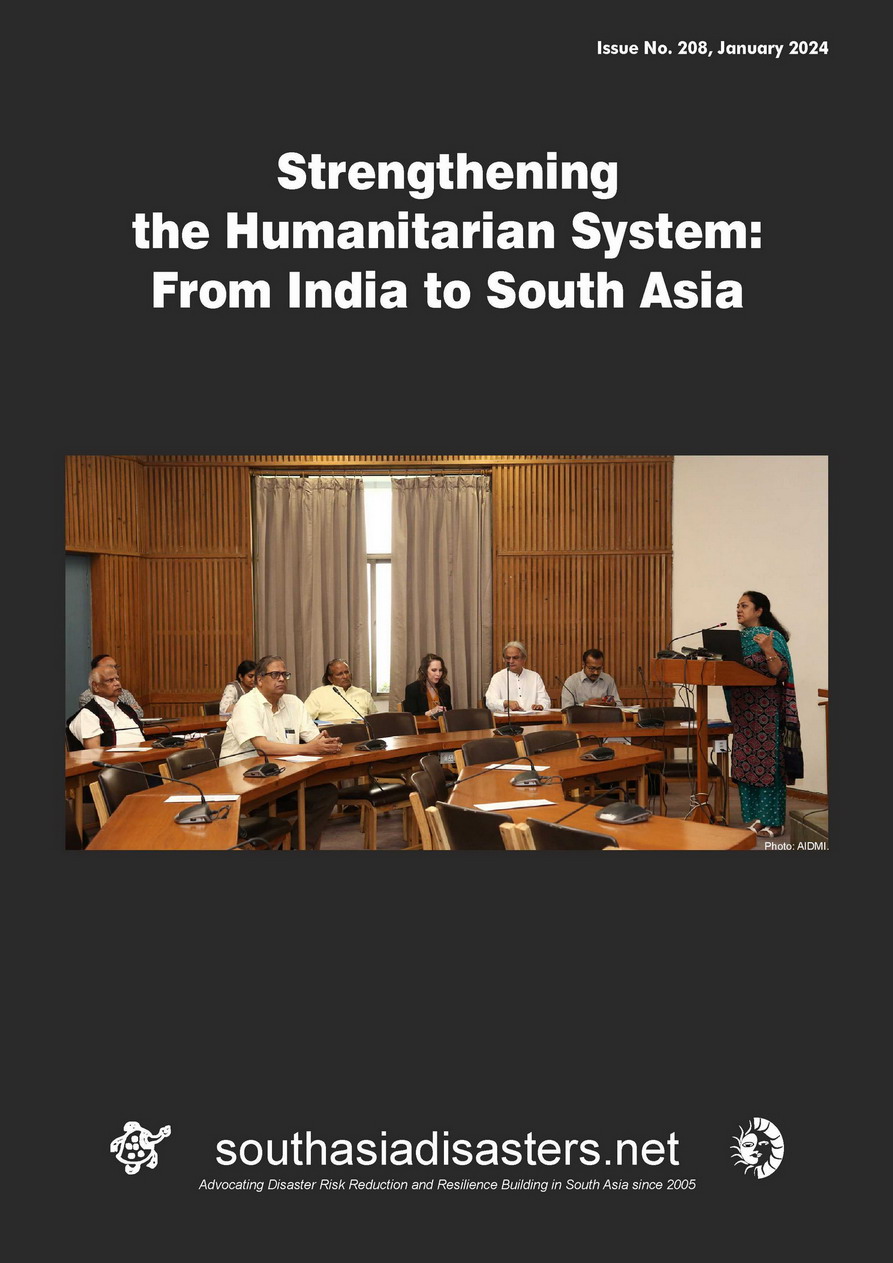
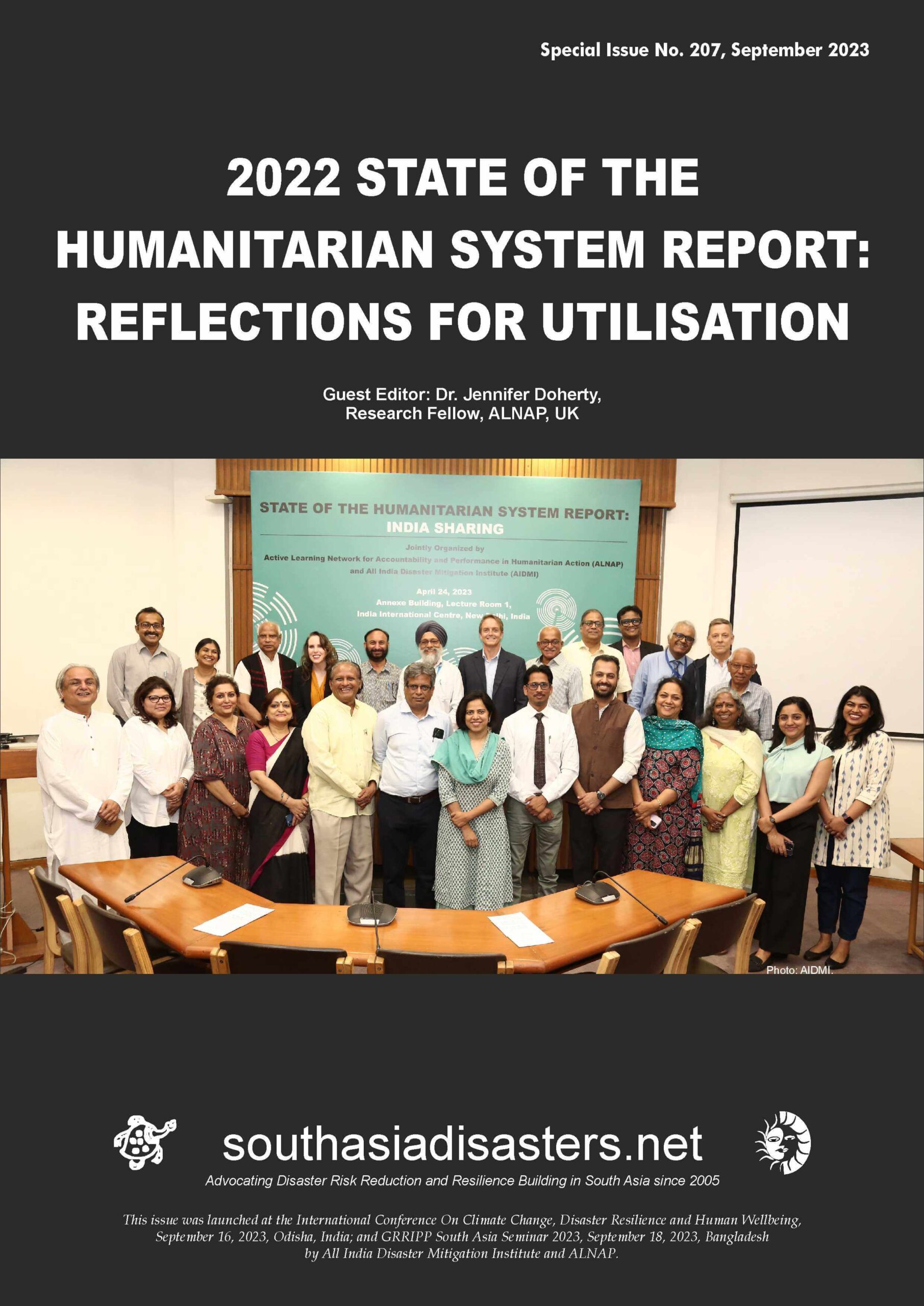
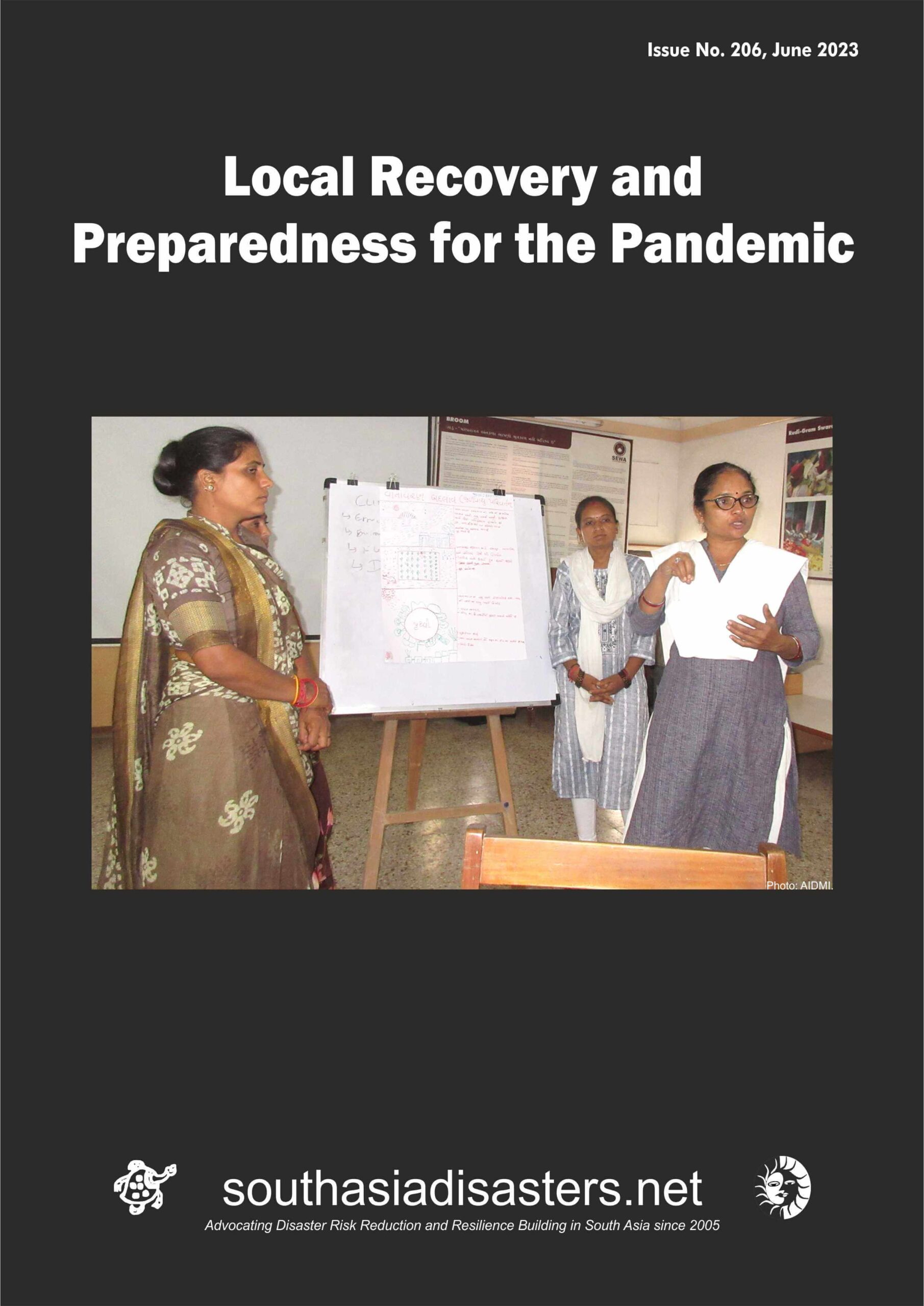
southasiadisasters.net, since June 2005, a monthly inhouse educational newsletter in English, from and effort to turn local tsunami recovery into regional disaster risk reduction for the poor. 42 issues are published with average reach of 30,000 all over the world.

AFAT NIVARAN, since June 1998, a monthly inhouse educational newsletter in Gujarati, brings together the experiences and insights of NGOs, GOs, and community workers. 88 issues are published with average of 2000 copies per issue.

VIPADA NIVARAN, since January 2000, a monthly in Hindi highlights key ideas and action from the field. 59 issues are published, with average of 1000 copies per issue, for national use.

JALSANKAL, since November 2001, a bimonthly in Gujarati, acts as a link between grass roots level water harvesting initiatives and the national perspective. 7 issues are published, with 1500 copies per issue for educational purpose.

INFORMATION SHEETS, since 1996, are circulated through Internet to researchers, policy makers, and practitioners with key risk reduction issues and ideas from grass roots experience. 52 topics covered.

Experience Learning Series:
Often disaster mitigation experience of India is not captured. As a result it is not available when it is needed for preparedness action. To capture and gainfully use relevant disaster mitigation experiences for preparedness AIDMI publishes the 'Experience Learning Series (ELS)'.
ELS is published in Gujarati, Hindi and English. 42 booklets have been published so far.
A specific dissemination plan is chalked out for each ELS keeping in mind the subject and usefulness of the publication to build India's national capacity.

Preparedness Pocketbooks :
Through its activities, AIDMI has learnt that handy information and specific guidelines on key aspects of disaster preparedness, combined with focused targeting, results in desired mitigation impact. The Preparedness Pocketbook Series (PPS) is packaged to provide disaster managers and communities of India with such useful information.
PPS is published in Gujarati, Hindi and English. 25 Pocketbooks have been published so far.
A specific dissemination plan is chalked out for each PPS keeping in mind the subject and usefulness of the publication to build India's own capacity.

Awareness Material:
AIDMI's awareness material is targeted at educating individual disaster managers, CBO leaders, Panchayat members, grass-roots workers and vulnerable households of India towards disaster preparedness. Often best of the government programme do not reach the victims. Awareness material makes this possible.
Preparedness aspects like ‘dos' and ‘don'ts' of natural disaster, lessons from natural and conflict related disasters, emergency supply checklist, preparedness planning, school safety and minimum relief standards are covered through these communication tools.


Sphere in Community Campaign website.


Microfinance and Disaster Risk Reduction in Tsunami Recovery: Shifting the Paradigm towards Preparedness (a set of poster in English)


Emergecy Food Security Network website.


 Home
 What's New
 Programmes
 Activity Centres
 Publications
 Work Opportunities
 Learning in Action
 Press Releases
   
       
ALL INDIA DISASTER MITIGATION INSTITUTE
         
   
This site is best viewed with 800x600 screen resolution with IE-5.5 and above